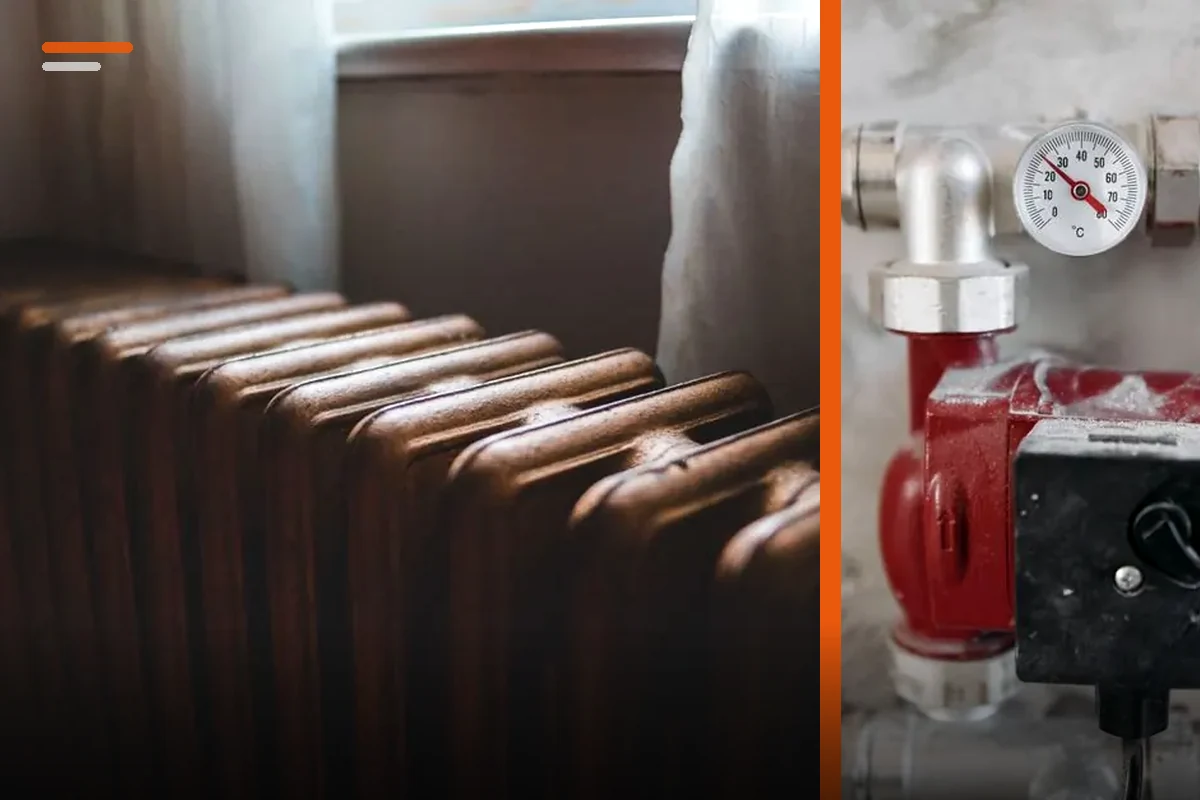
A hydronic boiler does not operate at one fixed pressure in every condition. Pressure normally changes as water heats and expands, but the amount and speed of that change should be consistent with the system design. A useful pressure history therefore includes a cold reading, a warm operating reading, and what happens after the system cools again. A single isolated number is less informative than the direction and repeatability of the change.
Expansion behavior is especially important when pressure climbs substantially during a heat cycle. A professional may evaluate whether the expansion tank can accept changing water volume and whether the automatic fill arrangement is introducing water when it should not. If the relief valve has discharged, that evidence helps explain why pressure later appears low. Simply adding water can temporarily change the gauge while leaving the underlying cause untouched.
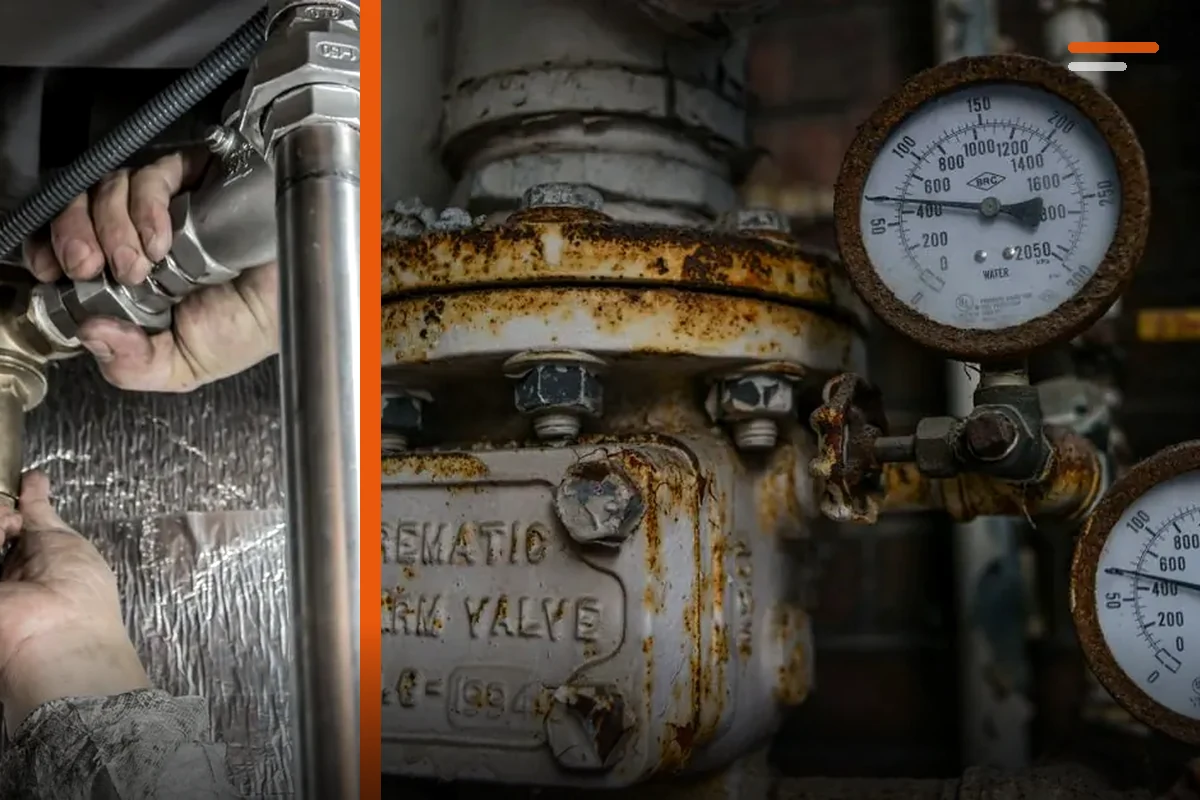
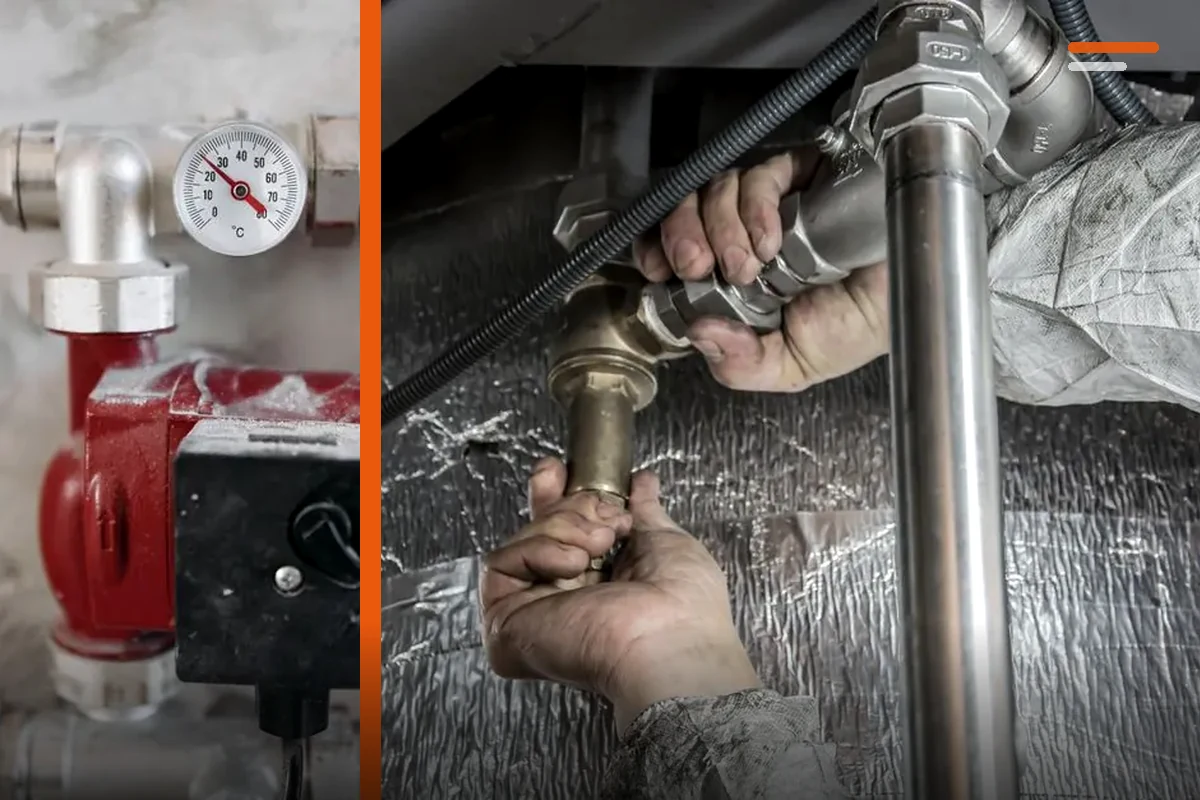
Leak tracing benefits from patience because water follows gravity, insulation, pipe surfaces, and structural materials. A wet floor below a pump does not prove the pump is leaking. The source may be a vent, threaded connection, flange, valve packing, relief outlet, or another point higher in the system. Drying accessible surfaces and observing the next heat cycle can help a professional distinguish an active source from residual water.
Pressure loss with no obvious puddle still deserves investigation. Small seepage can evaporate on warm components, discharge can occur through piping that terminates elsewhere, and some losses appear only under operating temperature. A provider may inspect visible joints, check the relief path, compare gauge behavior, and consider whether make-up water is masking a slow loss.
Repair scope should match the evidence. Tightening or replacing a fitting can be appropriate when the fitting itself is the confirmed source, while recurring relief discharge may require attention to expansion or fill control. Replacing a relief valve without addressing repeated overpressure can lead to another discharge. Conversely, replacing an expansion tank does not fix an unrelated pipe leak simply because the system also has pressure symptoms.
After repair, the system may need refilling, purging, bleeding, or pressure stabilization according to its design. Ask what cold pressure was established, whether air was removed, and what normal gauge behavior should look like afterward. A clear baseline makes it easier to recognize whether the repair resolved both the visible leak and the pressure pattern that accompanied it.