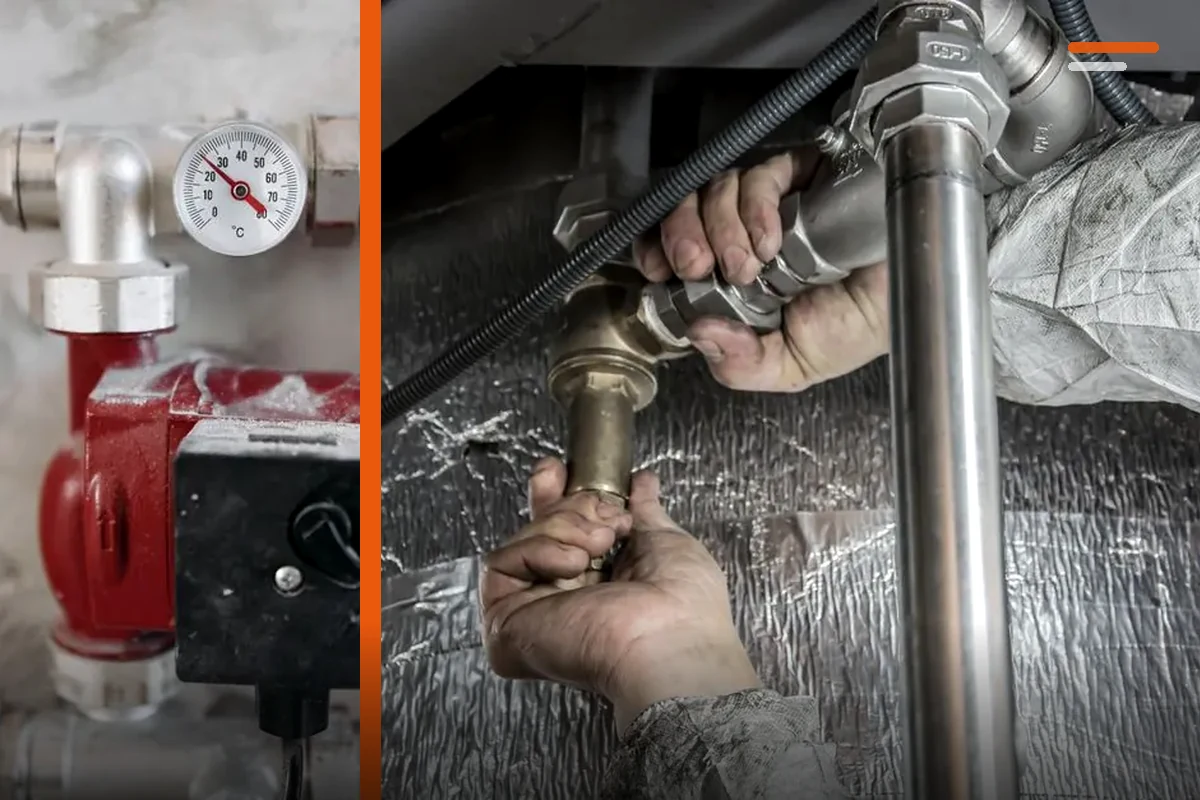
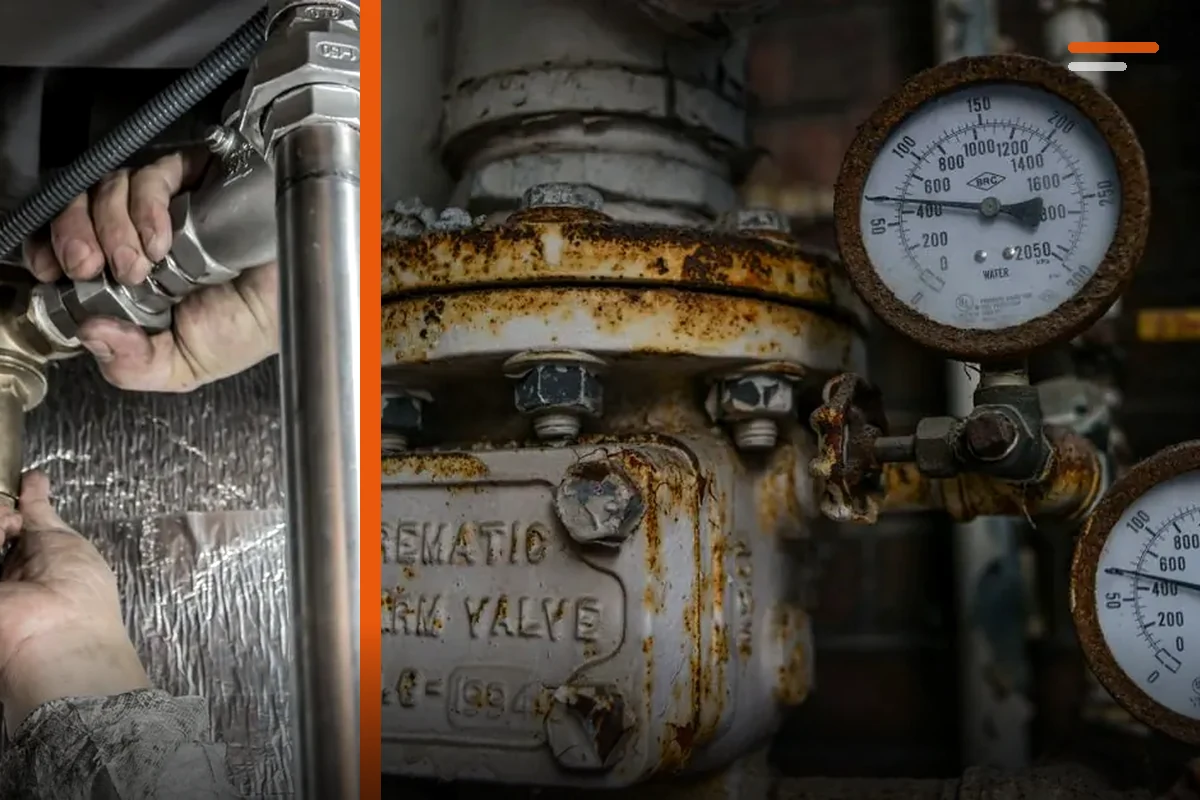
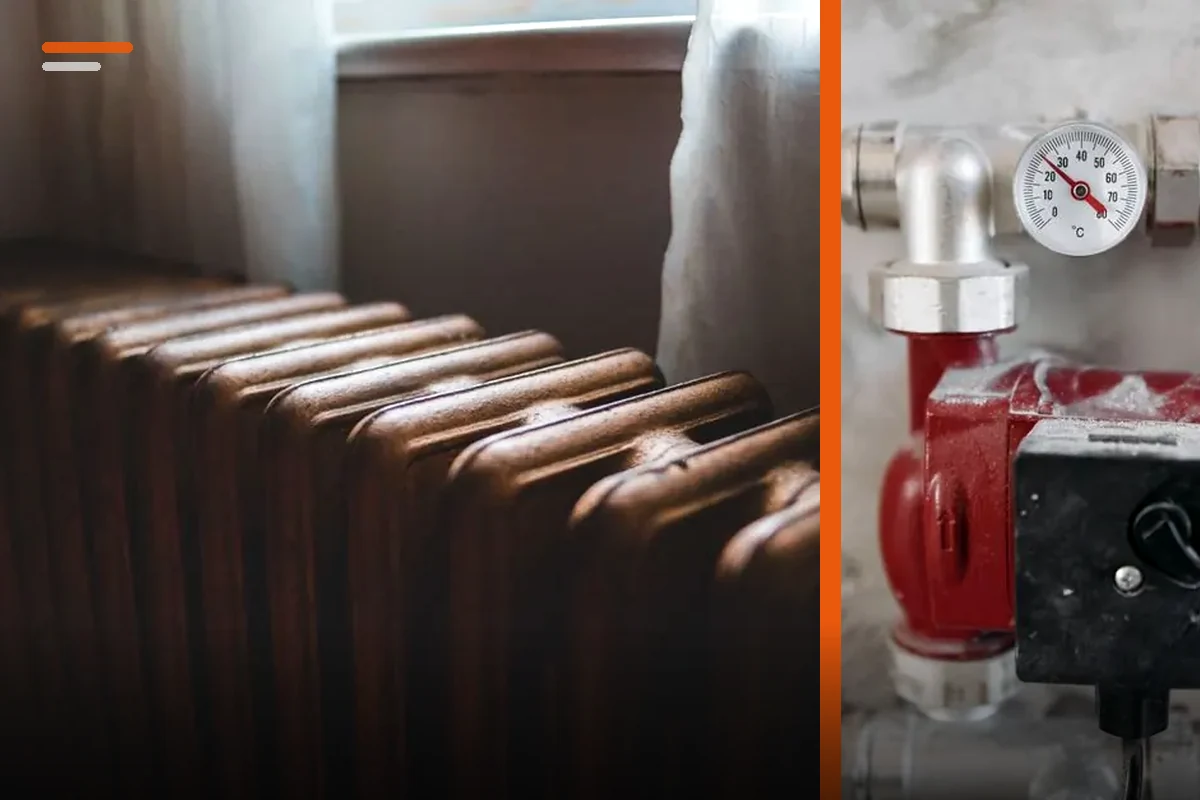
Routine boiler maintenance and system cleaning solve different problems. Maintenance can include inspection, control checks, combustion-related service where appropriate, leak review, pressure observations, and manufacturer-required tasks. Flushing targets water-side contamination or debris. Treating the two as interchangeable can lead to unnecessary work or leave a real operating problem unresolved.
Hydronic water quality deserves attention because fresh make-up water, corrosion products, sludge, and incompatible materials can influence circulation and component life. A dark water sample can suggest contamination, but color alone does not define the severity or prove that aggressive power flushing is safe for every system. The professional should consider system age, piping, valves, emitters, boiler manufacturer guidance, and the reason circulation is poor.
A targeted purge may be enough when the issue is trapped air in a particular zone. A broader clean may be considered when debris is demonstrably restricting heat transfer or flow. In fragile or heavily corroded systems, aggressive flushing can reveal weak components or create leaks, so the risk and expected benefit should be discussed before the work is authorized.
Maintenance decisions should also follow observed combustion and control condition rather than generic annual replacement lists. Some components are inspected, cleaned, adjusted, or measured; others are replaced only when condition or manufacturer instructions justify it. The service record should distinguish what was checked from what was actually changed.
Circulation performance is a useful maintenance benchmark. Comparing supply and return temperatures, listening for pump changes, checking zone response, and noting whether emitters warm evenly can reveal developing restrictions or control issues. Those observations can be tracked over time without inventing an efficiency percentage or promising energy savings.
After cleaning or flushing, ask how the system was refilled, vented, and stabilized, and whether any inhibitor or treatment was used according to the system requirements. The provider should verify pressure, circulation, and leak condition afterward. A maintenance record is most valuable when it describes actual observations rather than marketing claims.