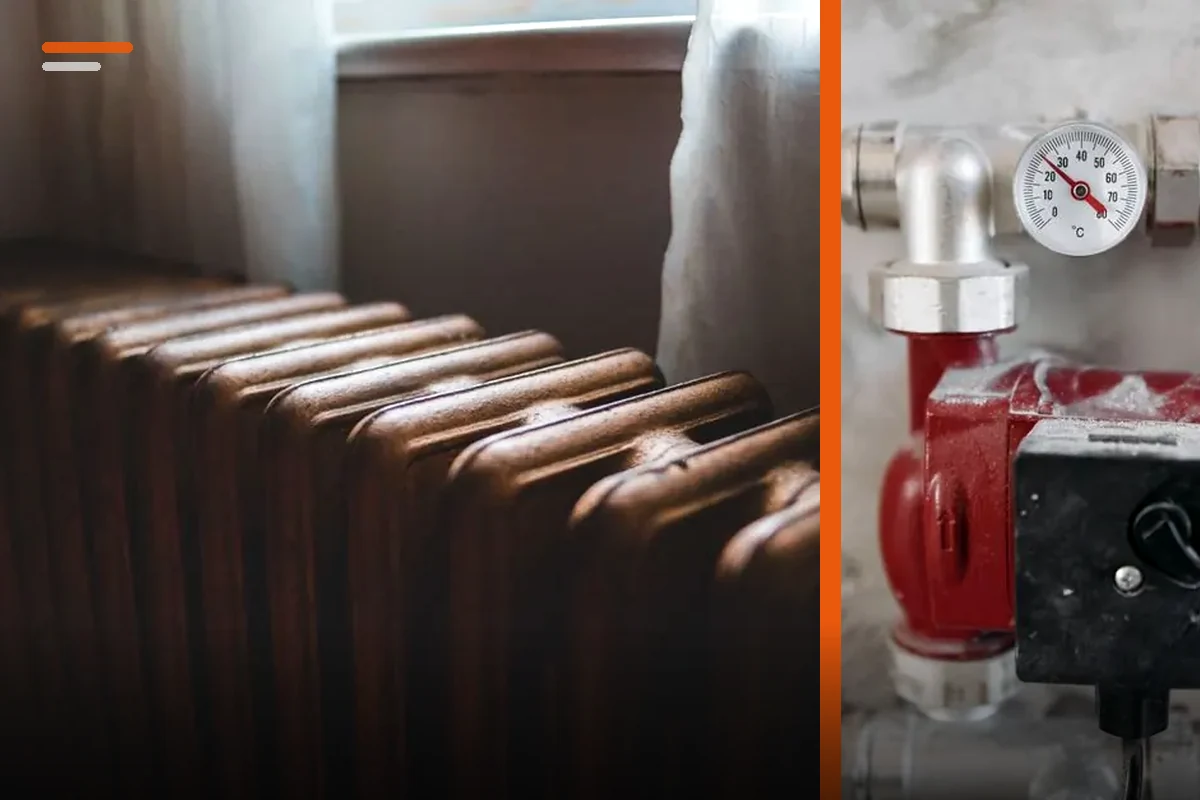
Uneven heat becomes easier to diagnose when the building is treated as a map of zones and emitters. Start by noting which thermostat controls each area, which rooms are comfortable, which radiators or baseboards remain cool, and whether the pattern changes during a long heating cycle. A single cold emitter suggests a different search than an entire zone that never warms.
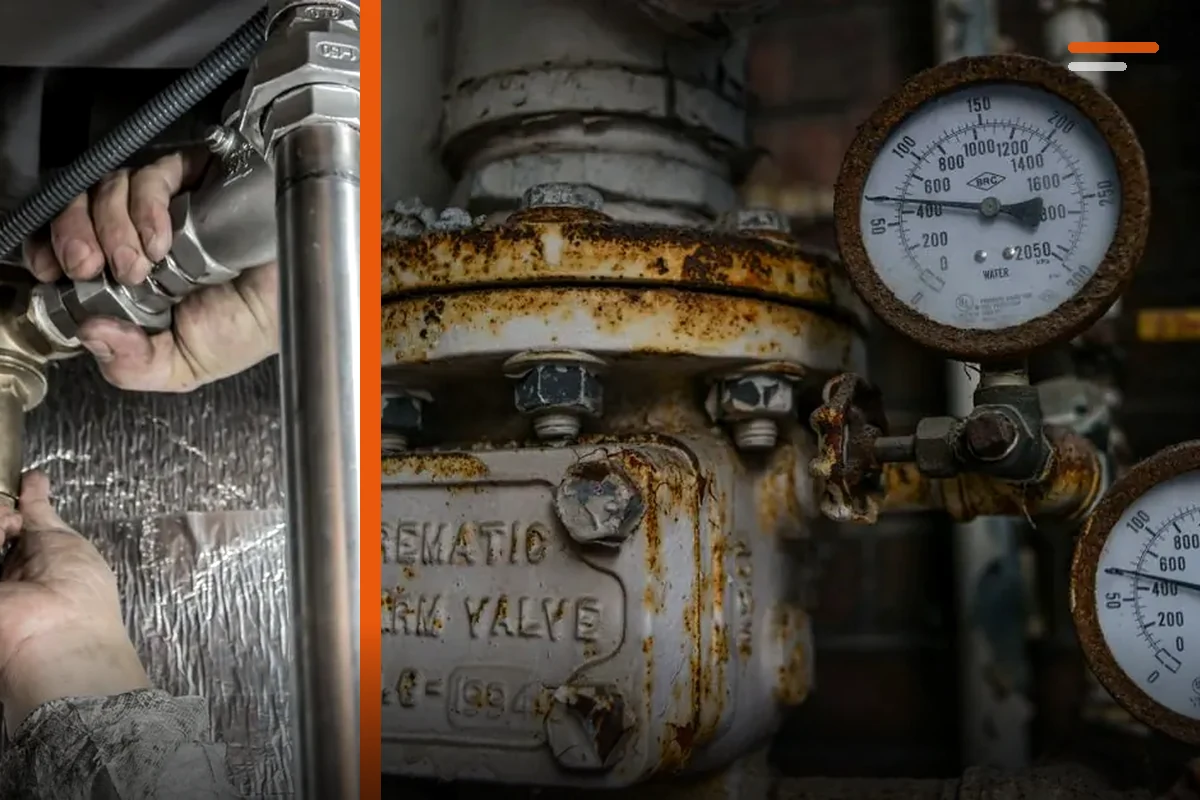
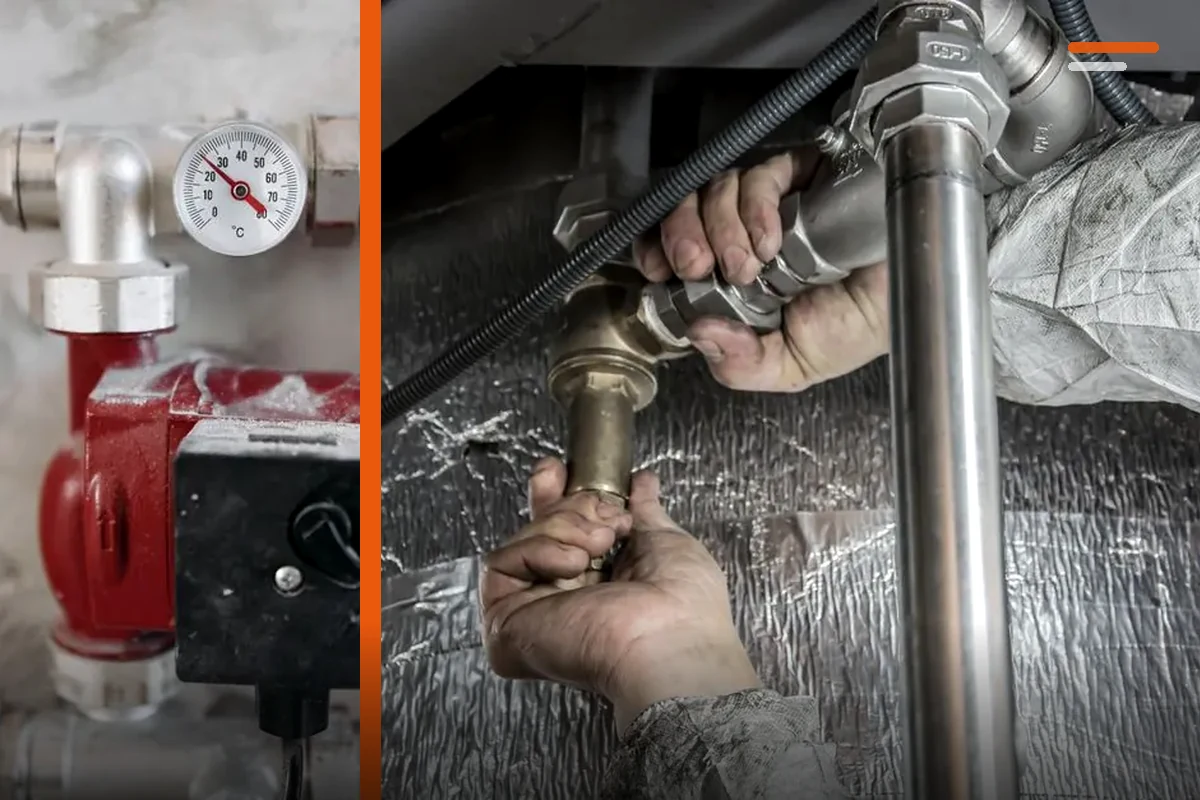
In a hydronic system, trapped air can interrupt circulation, but it is only one possibility. A zone valve may not open, a circulator may not move enough water, a balancing valve may restrict flow, or a loop may contain a blockage. Supply and return temperature comparisons help reveal whether hot water is reaching the zone and whether useful heat is being transferred through the circuit.
Baseboard performance also depends on the emitter itself. Bent fins, blocked airflow, furniture placement, and accumulated dust can reduce heat transfer even when hot water is circulating. Those room-side conditions should be distinguished from boiler or pump problems. Correcting airflow is very different from altering system pressure or replacing a circulator.
Radiator behavior must be interpreted according to whether the system is steam or hot water. Hydronic radiators may need appropriate bleeding or flow correction, while steam radiators depend on venting and condensate behavior. Using the wrong mental model can lead to unnecessary adjustments that do not address the system design.
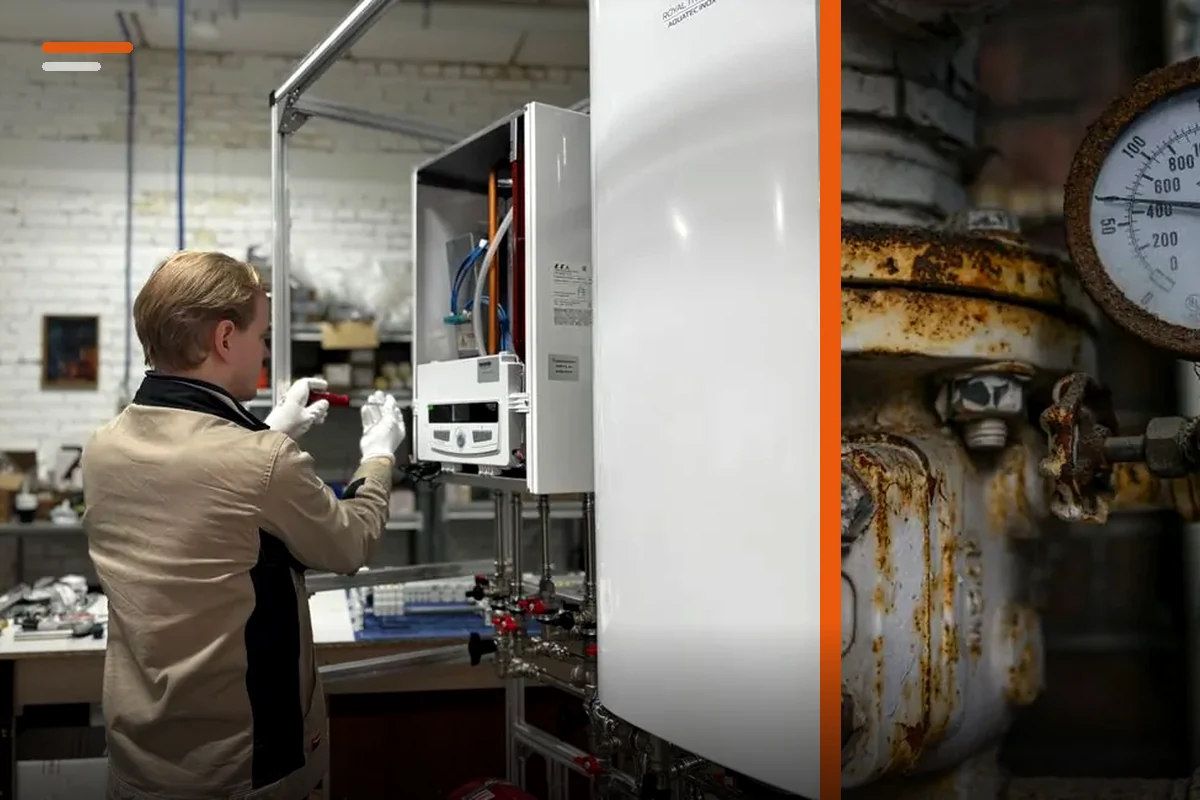
Zone-control faults often appear as a mismatch between thermostat demand and mechanical response. The thermostat may call while a valve stays closed, a relay may fail to energize a pump, or the boiler may fire without moving heat through the intended loop. Electrical checks and observation of actuator movement can connect room symptoms to the control chain.
After distribution repairs, compare temperatures across the previously affected spaces over a normal cycle. Perfectly identical room temperatures are not always realistic, but the system should respond consistently to its controls. Ask whether any balancing adjustment was made and whether a future change in one zone could affect the others.