
Falling Pressure
Track whether pressure falls hot, cold, or continuously.
Areas We Serve · Medford, MA
Local service-request information for South Medford, with an editorial focus on pressure stability, leak tracing, and deciding whether water loss is local or system-wide.
Service-request coverage: ZIP codes 02155 and 02153.
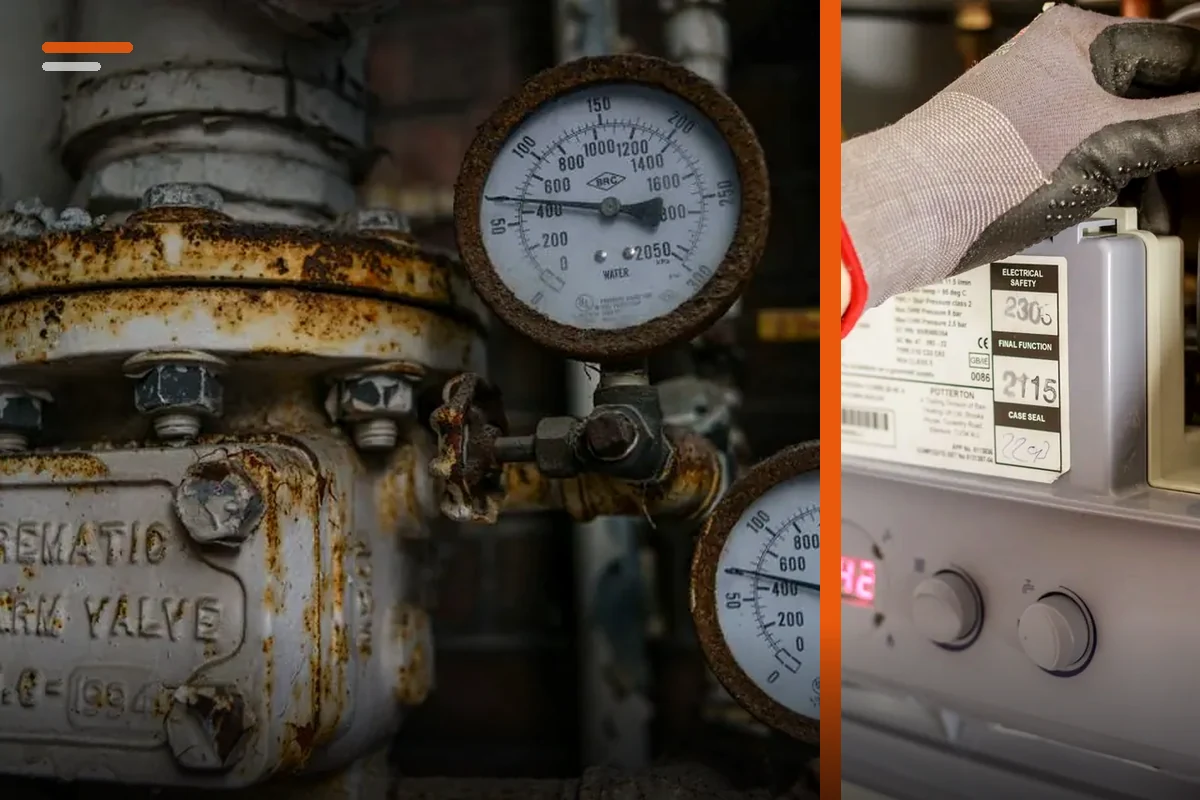
Local Service Focus
In South Medford, a request that begins with low boiler pressure often needs more than adding water. If pressure repeatedly falls, the system may be losing water through a fitting, valve, vent, relief discharge, or another path that deserves diagnosis.
The timing of a leak matters. A drip that appears only while the boiler is hot can suggest a different mechanism from a constant cold-system seep. Homeowners can note gauge readings and visible water locations, but should avoid tightening hot fittings or blocking a relief outlet.
A service professional may inspect expansion behavior, the automatic fill arrangement, relief-valve discharge evidence, pumps, valves, and connected piping. The repair decision should address both the leak point and any pressure condition that contributed to it.
This page does not claim neighborhood-specific boiler statistics, equipment prevalence, or completed-job history. Its local value comes from organizing a practical service-request path for a Medford area while keeping the technical guidance specific to the symptom focus above.
Coverage references are intentionally limited to 02155 and 02153. A request can be submitted from the covered Medford area, but provider availability, credentials, pricing, and timing are determined by the independent provider.
Track whether pressure falls hot, cold, or continuously.
Water at a discharge pipe should be investigated rather than blocked.
Water can travel along piping before becoming visible.
Pressure stability, leak tracing, and deciding whether water loss is local or system-wide.
That focus is an editorial strategy, not a claim that these problems occur more often in this neighborhood.
Read the related service page →The professional confirms what is happening, when it occurs, and which parts of the building are affected.
Testing follows the heating-system type, control sequence, pressure behavior, and distribution layout rather than a generic checklist.
You should receive an explanation of the likely cause and any reasonable repair, maintenance, or follow-up choices before work proceeds.
Do not bypass safety controls or cap a relief discharge. If you smell gas, suspect combustion fumes, or a carbon-monoxide alarm activates, leave the area and follow emergency utility or emergency-service guidance before arranging routine boiler work.
For hydronic systems, periodic attention to pressure stability, circulation, visible leakage, and unusual noises can help identify developing problems. For steam systems, waterline behavior, venting, pressure control, and condensate return deserve system-specific attention.
Maintenance decisions should be based on the actual boiler and distribution system. Flushing is not automatically appropriate for every property; water quality, debris, materials, and manufacturer guidance matter.
Keep service records and note recurring symptoms. A history of which zones were affected, what the pressure gauge showed, or when a lockout occurred can make later diagnosis more efficient.
No heat, shutdowns, active leaks, and urgent safety-related symptoms.
Emergency repair guidance →Pressure loss, overpressure, relief discharge, and leak tracing.
Leak and pressure service →Inspection, circulation, water-quality, and cleaning decisions.
Maintenance guidance →Service requests are accepted for Medford coverage in ZIP codes 02155 and 02153. Availability depends on an independent provider accepting the request.
Describe the symptom, which rooms or zones are affected, any safe gauge reading or error display, and whether the issue is constant or intermittent. For this page, the diagnostic emphasis is pressure stability, leak tracing, and deciding whether water loss is local or system-wide.
West Medford · South Medford · North Medford / Fulton Heights · Medford Square / Center
This area page is deliberately organized around water loss and pressure behavior. Before a service visit, note the gauge when the system is cool, again during a normal heating cycle, and after it cools. The trend can help a provider distinguish gradual loss, heat-related overpressure, or a gauge that behaves inconsistently.
If water is visible, record the highest point that is wet rather than only the floor location. Water can run down a pipe and drip several feet from its source. Relief discharge, air vents, pump flanges, valve stems, threaded fittings, and boiler connections each produce different patterns that a professional can confirm.
A system that needs frequent make-up water should not be normalized. Adding water can restore a pressure reading while introducing oxygen and masking the loss. The provider may need to find why the system is losing pressure, why the fill arrangement is not stabilizing it, or whether the relief valve is discharging because pressure rises too far when hot.
Expansion-tank behavior matters most when pressure changes strongly with temperature. The tank provides space for heated water to expand in many closed hydronic systems. If it cannot perform that function, pressure can climb until a relief device opens. The proper check depends on tank type and system design, so homeowner adjustment is not recommended.
Some leak repairs require more than replacing the visibly wet part. If a valve leaked because repeated overpressure stressed it, correcting only the valve can leave the condition that caused the discharge. Conversely, a pipe joint that simply seeped does not justify replacing unrelated pressure-control components. Evidence should define the scope.
After service, ask for the expected cold-pressure range for the specific system and whether the provider confirmed stable pressure through a heating cycle. Keep a short record for the next few days. If the gauge resumes falling or discharge returns, that follow-up information can help determine whether there is a second loss path or a recurring control issue.
For a South Medford pressure complaint, photograph the accessible gauge at different times if that can be done safely. Note whether water appears after the boiler heats, after it cools, or even when the system has been idle. A timed record helps separate thermal expansion from continuous loss.
Do not add sealants, block discharge piping, or repeatedly refill the system simply to keep the gauge up. Those actions can conceal the original evidence. Tell the provider how often water has been added and whether any recent valve, pump, radiator, or piping work preceded the pressure change.
After repair, compare the gauge at the same system temperatures rather than at random times. A stable cold-to-hot pattern over several cycles provides a better baseline than a single reading taken immediately after filling or bleeding the system.
Share the symptoms you are seeing so the service request can be matched appropriately.